Psychogeography: Flavio Roddolo’s oubliette
Will Self used to write a column called psychogeography, scratching around at the intersection between usage and environment, a scabrous interpretation of Guy Debord’s original concept. I’ve long thought that this ought to be extended to include psychogeographical terroir: the exploration of the intersectionality of place and person as experienced through the medium of wine.
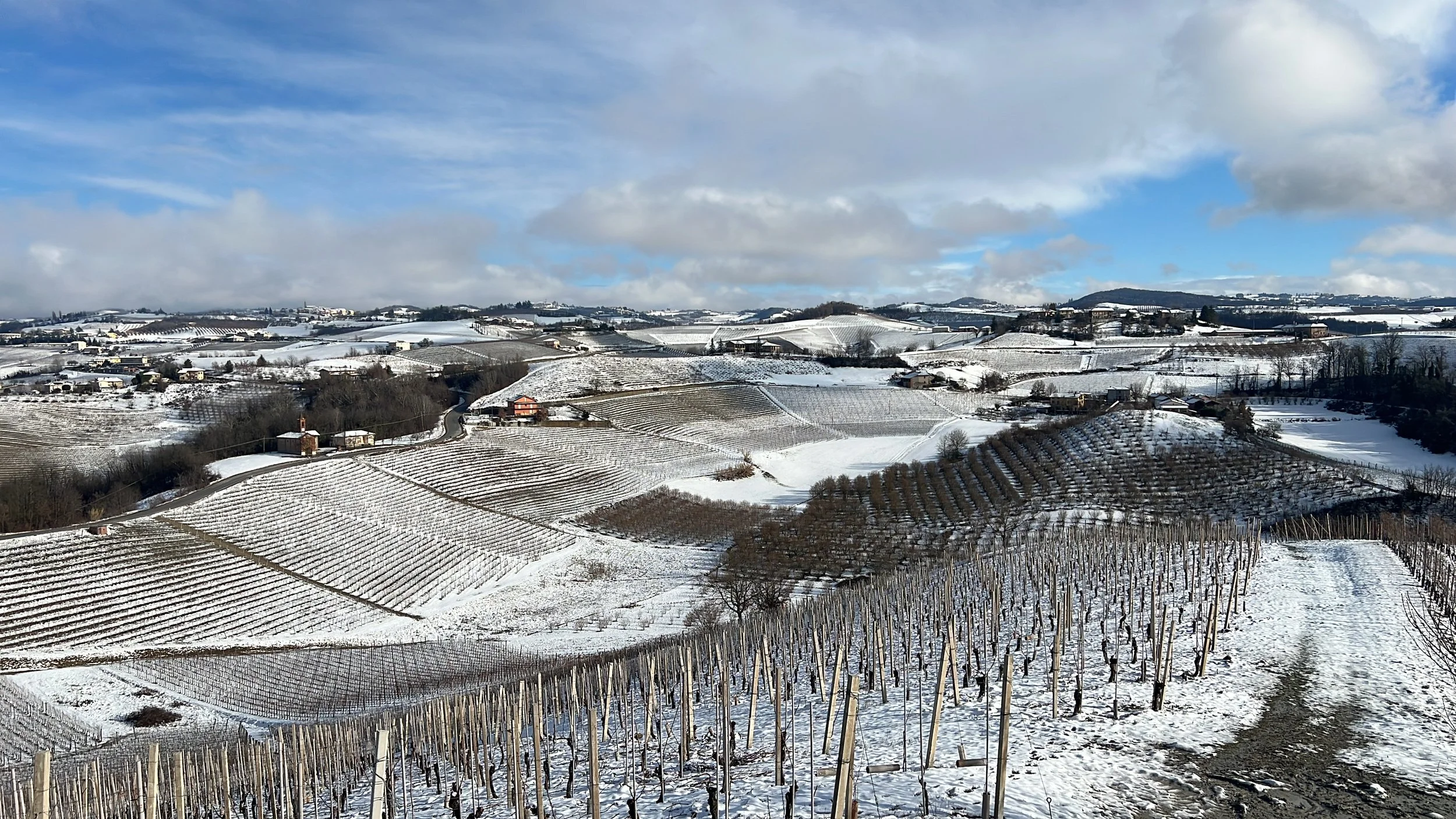
Wines that are not only of a unique place, but that seemingly could only have been made by one person.
I was reminded of this while tasting the wines of Flavio Roddolo in Monforte. His house and cellar on the Bricco Appiani seemed to me by turns a mediaeval oubliette or perhaps a Soviet re-education camp where unruly youthful cuvees go to be disabused of their ideologies, emerging broken, bearded and faithful.
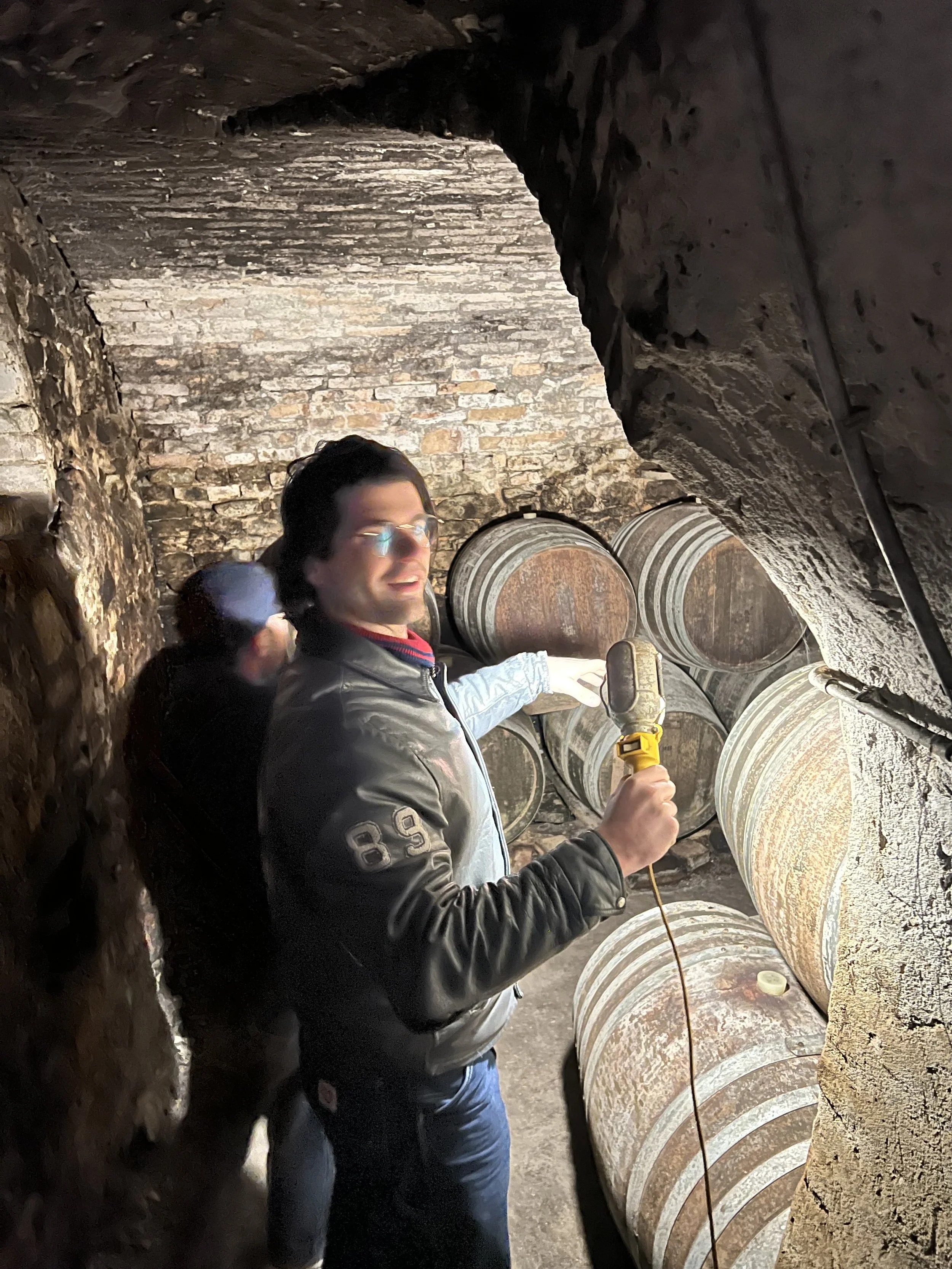
The cellar as a monument to an implacable stubbornness of vision.
Clark Smith, the author of Postmodern Winemaking and formerly the patent holder for reverse osmosis alcohol and VA removal, might seem an odd person to bring up in this context, but I think his writing has a lot to help explain the Roddolo style.
Much of Smith’s work is focused on recreating what he describes as ‘soulfulness’ in wine. His main strategy for this is the creation of a refined colloidal structure of tannins, anthocyanins and other aromatic ring compounds within which the aromatic complexity of a wine can flourish.
Smith, the arch-technologist, proposes intensive ‘stage one microoxidation’ to encourage oxidative polymerisation of the wine’s tannins. Evidently Roddolo wasn’t doing this, however the wines all spend multiple years in old oak, a key feature of the older style of winemaking Smith advocates. Indeed Patrick Ducournau, the creator of microoxidation, was seeking to return to a tannic structure which had been lost through the use of hygienic steel anoxic fermentation vessels.
One of the defining characteristics of Roddolo’s wines is their power; he was evidently not afraid of structure, relying on time in tank to do its work.
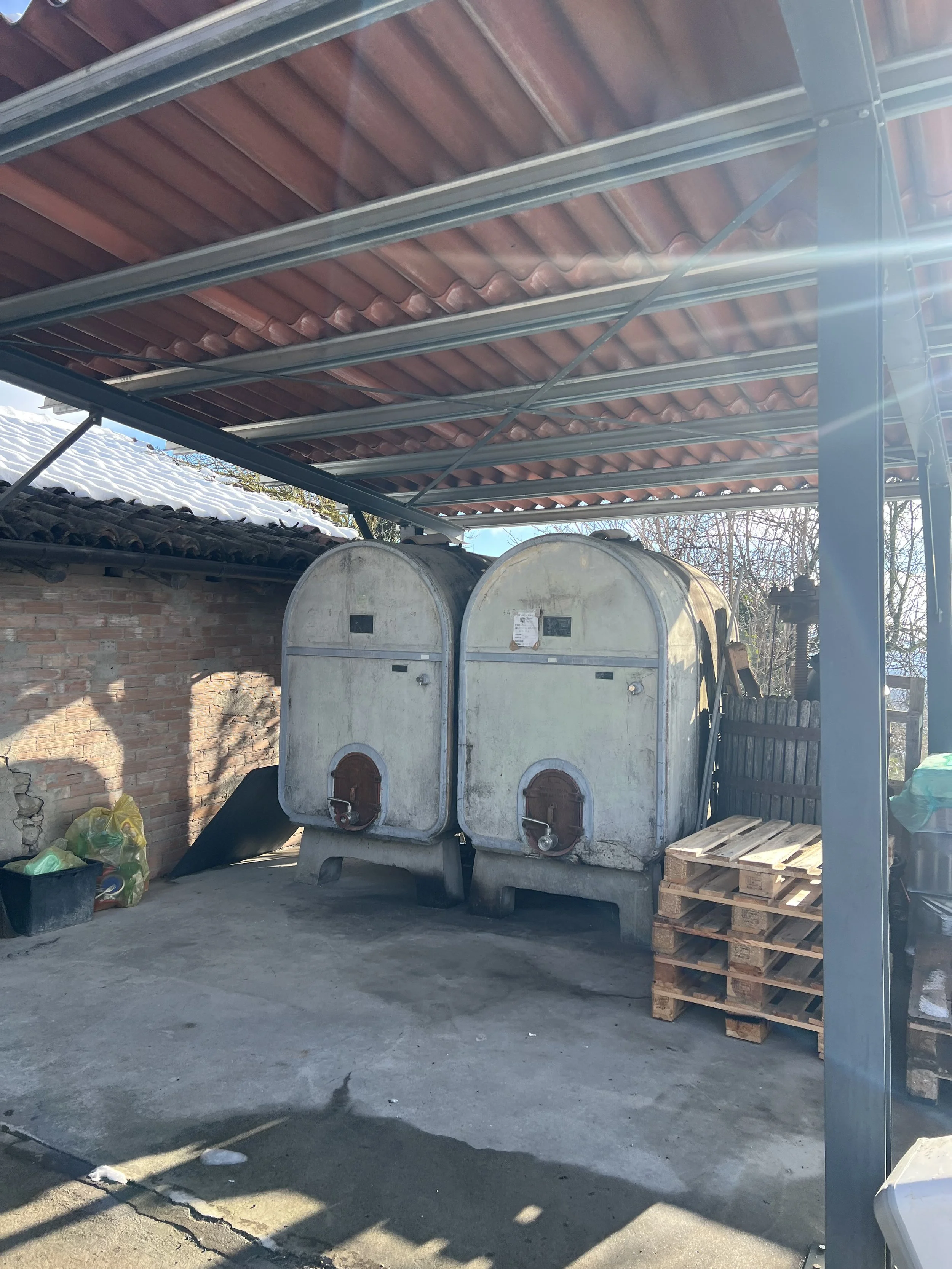
Smith’s stage one microoxygenation also generates acetaldehyde, a useful factor in colour stabilisation, bridging pigments to tannins and doubling the rate at which oxygen stabilises colour. Discussing this with Erik Revello (of Carlo Revello), he spoke of having the destemmed grapes sit for a while before ferment got going to build a degree of acetaldehyde. I picture this being the case in the cold and draughty hill top cellar when I think of the dark and unruly wines it produces.
Smith discusses at length what he calls ‘Integrated Brett Management’, in which the wine microbiology is kept healthy so that there is always inter-niche competition between microbial species. This is a key factor in good natural winemaking’s drive for stability:
‘Once the importance of structure is recognised, one is much more reluctant to sterile-bottle red wines. This means that the microbial dramas of the wine must be played out in the cellar prior to bottling. Thankfully, structure is useful in integrating the resulting complexities.’
Over dinner in La Morra, Renato Vezza (of Bricco Ernesto) implied as much to me, confiding that for him the secret to Roddolo’s unique style was the way the lengthy elevage allowed all the various microbial ferments and processes to fully finish, leaving a wine that’s both stable but still layered and brilliantly, challengingly complex.
‘The winemaker chooses the wine’s purpose early on’
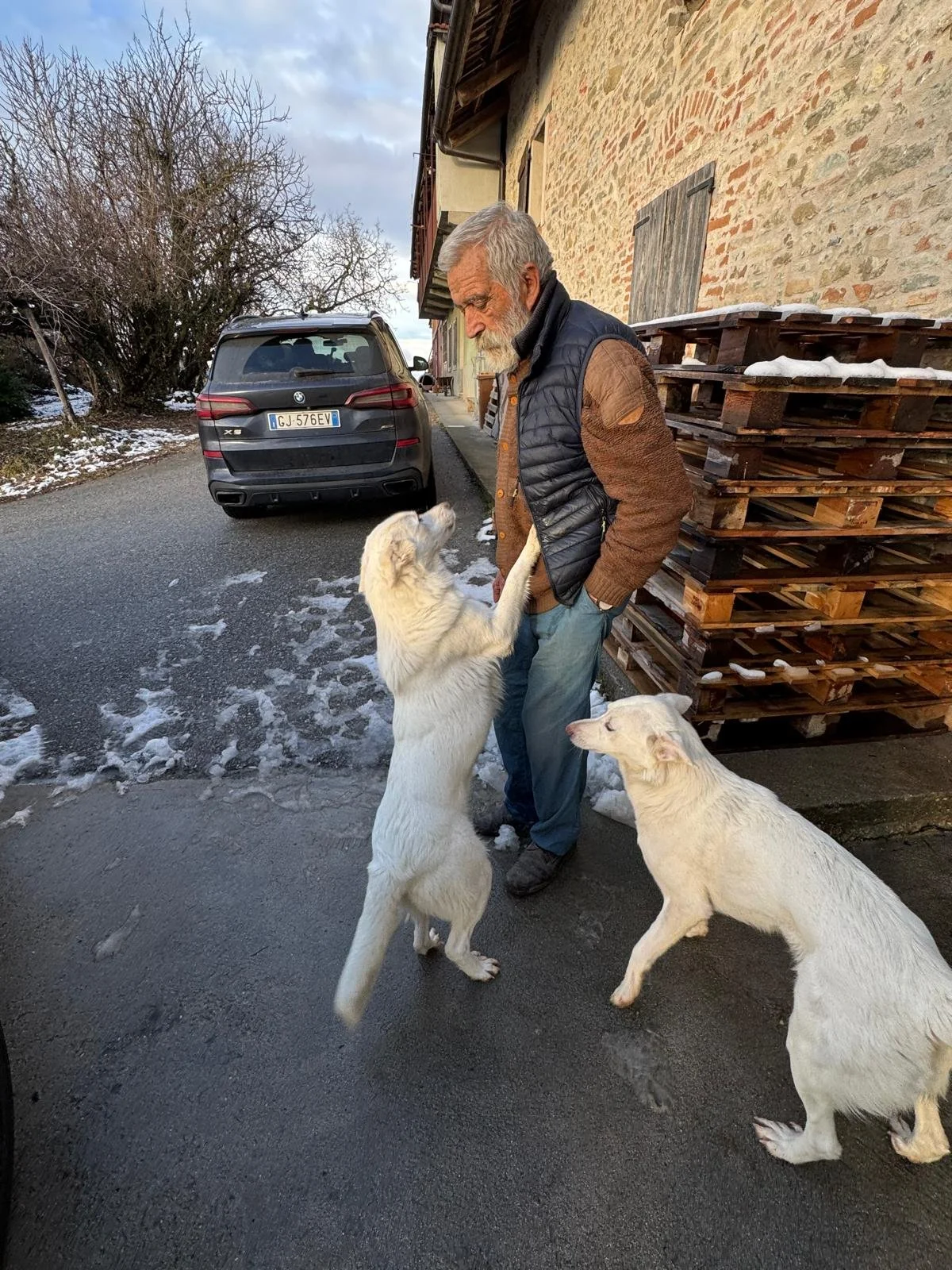
I like to think Smith is speaking about intentionality in winemaking: how the winemaker, through their decisions, imbues the wine with relation to place and meaning within their own personal world view. Roddolo, by all accounts, never elaborated much on his methodology, save that it was what he’d always done. However, there’s an evident pride allied to the stubbornness that, at least to me, implies he was well aware of how much the wines of the Bricco Appiani existed in his image and his image alone.